
Exterior glass features can add a distinctive look to a property while creating a need for privacy. At this Surrey home, glass panels incorporated into the property’s fencing and gates provided visibility through several areas around the perimeter, including the front and rear vehicle gates.
Reforma Design was brought in to replace the existing exterior window film, which had been installed for more than 10 years and was showing clear signs of age and wear.
The project involved more than simply applying a new layer of film. The old material had deteriorated to the point where removal required considerable time and careful glass preparation before a new installation could begin.
For the replacement, the homeowner selected XPEL Exterior Neutral 40, a solar control film that offers a more subtle appearance than traditional highly reflective window films. The goal was to improve privacy from outside while avoiding the pronounced mirror-like finish often associated with darker or more reflective films.
The project included two days of old film removal and glass preparation, followed by another two days installing the new film.
Project overview
- Location: Surrey, British Columbia
- Project type: Residential exterior window film replacement
- Existing condition: Original film installed more than 10 years earlier, showing signs of wear
- Areas covered: Glass fence panels, pedestrian gates and front and rear vehicle gates
- Removal and preparation: 2 working days
- New film installation: 2 working days
- Replacement material: XPEL Exterior Neutral 40
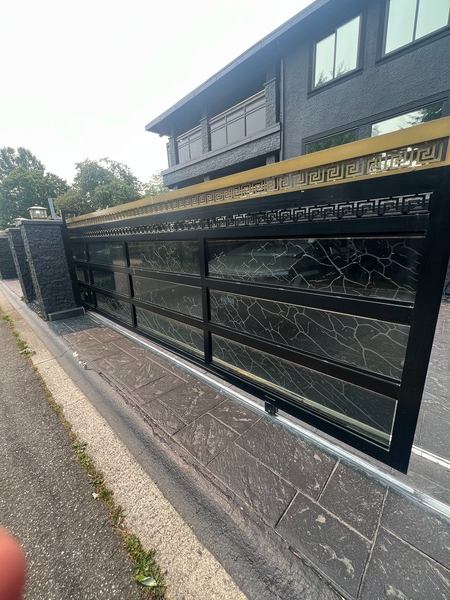
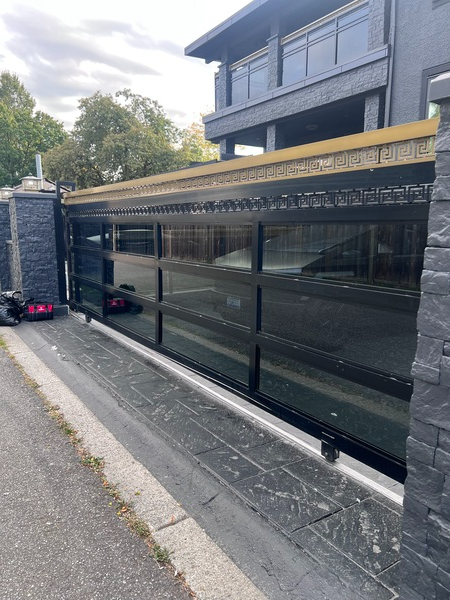
Replacing old exterior window film
The homeowner initially needed the existing film removed and replaced. After more than a decade outdoors, the original material was showing signs of deterioration.
Exterior window film is exposed to the elements, including sunlight, temperature changes and weather. Over time, these conditions can contribute to changes in the film’s appearance and condition.
During this project, the age of the existing film made removal particularly time-consuming. Instead of coming off in large, manageable sections, the material separated into small pieces as it was removed.
This meant the work required patience and careful attention to the glass underneath.

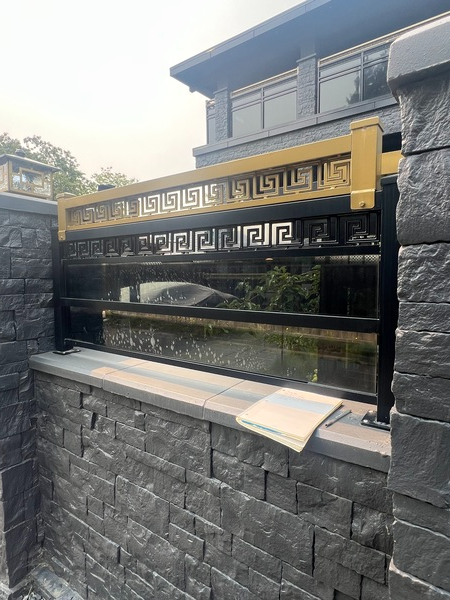
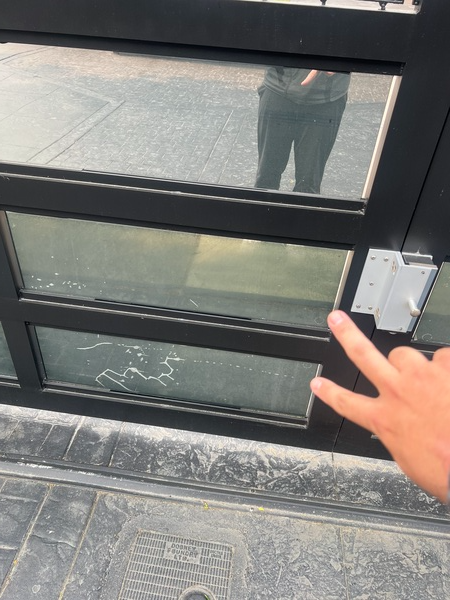
Removing the old film and preparing the glass
Before new film could be installed, the existing material and its remaining adhesive residue needed to be removed.
Because the old film had deteriorated, the removal process was more involved than a straightforward film replacement.
1. Removing the existing film
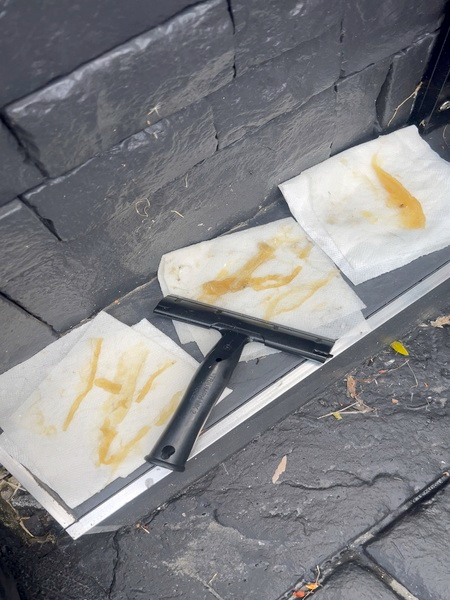
The old film was carefully removed from the glass panels. Due to its age and condition, it came away in small pieces rather than large sections.
This extended the removal process across the various glass panels surrounding the property, including the front and rear vehicle gates.


2. Removing the remaining adhesive and residue
Once the film was removed, the glass still required additional work. Old adhesive residue and remaining material needed to be scraped away to prepare the surface for the replacement film.
This is an important part of any window film replacement. Applying new material over leftover adhesive, debris or contamination can compromise the finished appearance and installation quality.
We took the time to scrape and clean the glass thoroughly before moving forward.
3. Final glass preparation
After the old film and residue were removed, the glass was cleaned and prepared for the new installation.
Proper preparation gives the replacement film a clean surface to bond to and helps achieve a consistent finished appearance across the different glass sections.
The removal and preparation portion of this project took two working days to complete.
Choosing XPEL Exterior Neutral 40
Once the glass was ready, the next step was selecting a replacement film that suited the homeowner’s privacy preferences.
There are several approaches to exterior window film, ranging from highly reflective silver finishes to darker, more neutral solar control options.
For this property, the homeowner wanted to limit visibility from outside without giving the glass a traditional mirror-like appearance.
XPEL Exterior Neutral 40 was selected because its neutral appearance offers a less reflective alternative to conventional metallic exterior films.
It provides a balance between maintaining a relatively natural appearance and adding solar control and daytime privacy.
What makes Exterior Neutral 40 different?
XPEL’s published specifications list the following performance figures for Exterior Neutral 40 when applied to the specified clear glass test sample:
- Visible light transmission: 40%
- Exterior visible light reflectance: 17%
- Total solar energy rejected: 50%
- UV blocked: 99%
- Glare reduction: 57%
These figures help explain why the film was a suitable choice for this project. It offers solar control and a moderate level of exterior reflectance without the much stronger reflective appearance associated with some darker silver films.
Actual results depend on the glass construction and installation conditions.
Understanding privacy with exterior window film
One important consideration with solar control window film is that privacy is affected by the difference in lighting between the inside and outside of a property.
During daylight hours, when the exterior is brighter than the interior, reflective window films can make it more difficult for people outside to see through the glass.
However, this effect can reverse at night when the interior is illuminated and the outside is darker.
For this reason, XPEL Exterior Neutral 40 should not be treated as a permanent privacy solution or a substitute for blinds, curtains or other privacy measures where nighttime privacy is required.
For the Surrey home, the priority was to achieve a more subtle exterior appearance while improving daytime privacy across the glass fencing and gates.
Installing the new exterior film
With the old film removed and the glass properly prepared, the installation of the replacement material could begin.
The new XPEL Exterior Neutral 40 was installed across the selected glass panels surrounding the property.
Because the project involved multiple sections of glass incorporated into fencing and gates, consistency across the different panels was an important part of the finished result.
The new installation took an additional two working days to complete.


The finished result
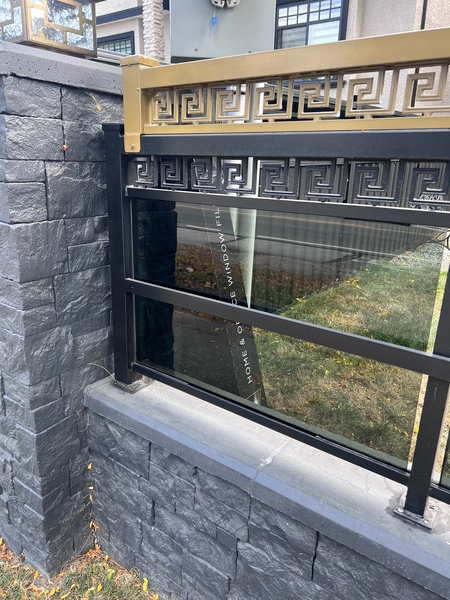
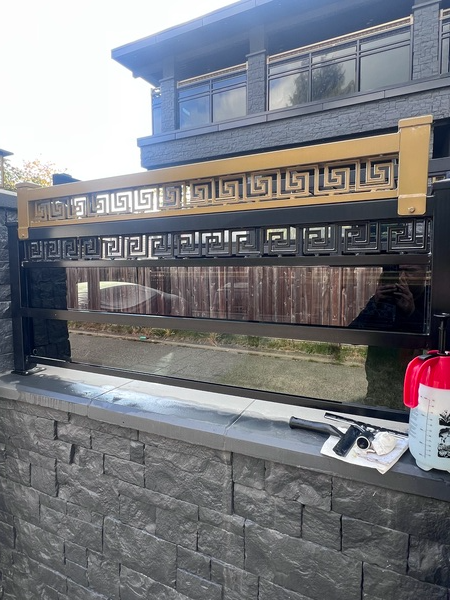
After four working days in total, the old exterior window film had been removed, the glass properly prepared and the new XPEL Exterior Neutral 40 installed.
The replacement gives the glass fencing and gates a refreshed appearance while providing the more understated privacy-focused finish the homeowner wanted.
Rather than choosing a heavily reflective film, the homeowner opted for a neutral alternative that better suited the overall appearance of the property.

Replacing old window film on your property
Exterior window film can be a useful option for glass features where privacy, solar control and appearance are all important considerations.
If your existing film is showing signs of wear, deterioration or adhesive failure, replacing it may involve more than simply applying a new layer. The condition and age of the original film can significantly affect the removal process and the amount of glass preparation required.
At Reforma Design, we assess the existing glass and film before recommending a replacement. We can help determine which architectural window film is appropriate for the application, whether the priority is privacy, heat reduction, glare control or maintaining a more natural appearance.
We provide residential and commercial architectural window film installations throughout Surrey, Richmond, Vancouver, Burnaby and the Lower Mainland.
Every Surface, Elevated.
Contact Reforma Design to discuss your window film replacement project.
Frequently asked questions
1. Can old window film be removed and replaced?
Yes. Existing window film can generally be removed and replaced, although the difficulty depends on its age, condition, adhesive and the type of glass. Older or deteriorated film may require more time for removal and residue cleanup.
2. How long does exterior window film last?
The lifespan of exterior window film depends on the product, exposure, glass conditions, installation and maintenance. Exterior films are exposed to weather and sunlight, so their service life can differ from interior-applied films.
3. What is XPEL Exterior Neutral 40?
XPEL Exterior Neutral 40 is an exterior-applied solar control window film. It has a neutral appearance with lower reflectivity than traditional highly reflective metallic exterior films, while providing heat, glare and UV control.
4. Does XPEL Exterior Neutral 40 provide privacy?
It can provide daytime privacy when the exterior is brighter than the interior. Privacy depends on lighting conditions, and the film does not guarantee privacy at night when interior lights are on.
5. Does Exterior Neutral 40 have a mirror finish?
It has a degree of exterior reflectance, but it is designed to offer a more neutral and less reflective appearance than traditional silver or highly reflective metallic films.
6. Can window film be installed on glass fencing and gates?
Suitable architectural window films can be installed on many flat-glass applications, including glass panels incorporated into fencing and gates. The glass and application should be assessed before installation to confirm suitability.
7. How long does it take to remove and replace old window film?
The timeline depends on the size of the project and the condition of the existing film. For this Surrey home, removal and glass preparation took two working days, followed by another two working days for the new installation.
8. Does exterior window film help reduce heat and UV exposure?
Yes. XPEL Exterior Neutral 40 is designed for solar control. Its published specifications list 50% total solar energy rejection and 99% UV blocked under the manufacturer’s stated test conditions. Actual performance depends on the glass and installation.